10 Best Training Techniques
Training your dog can be a rewarding experience that builds trust, improves behavior, and strengthens your bond. Here are ten of the best training techniques that work for dogs of…

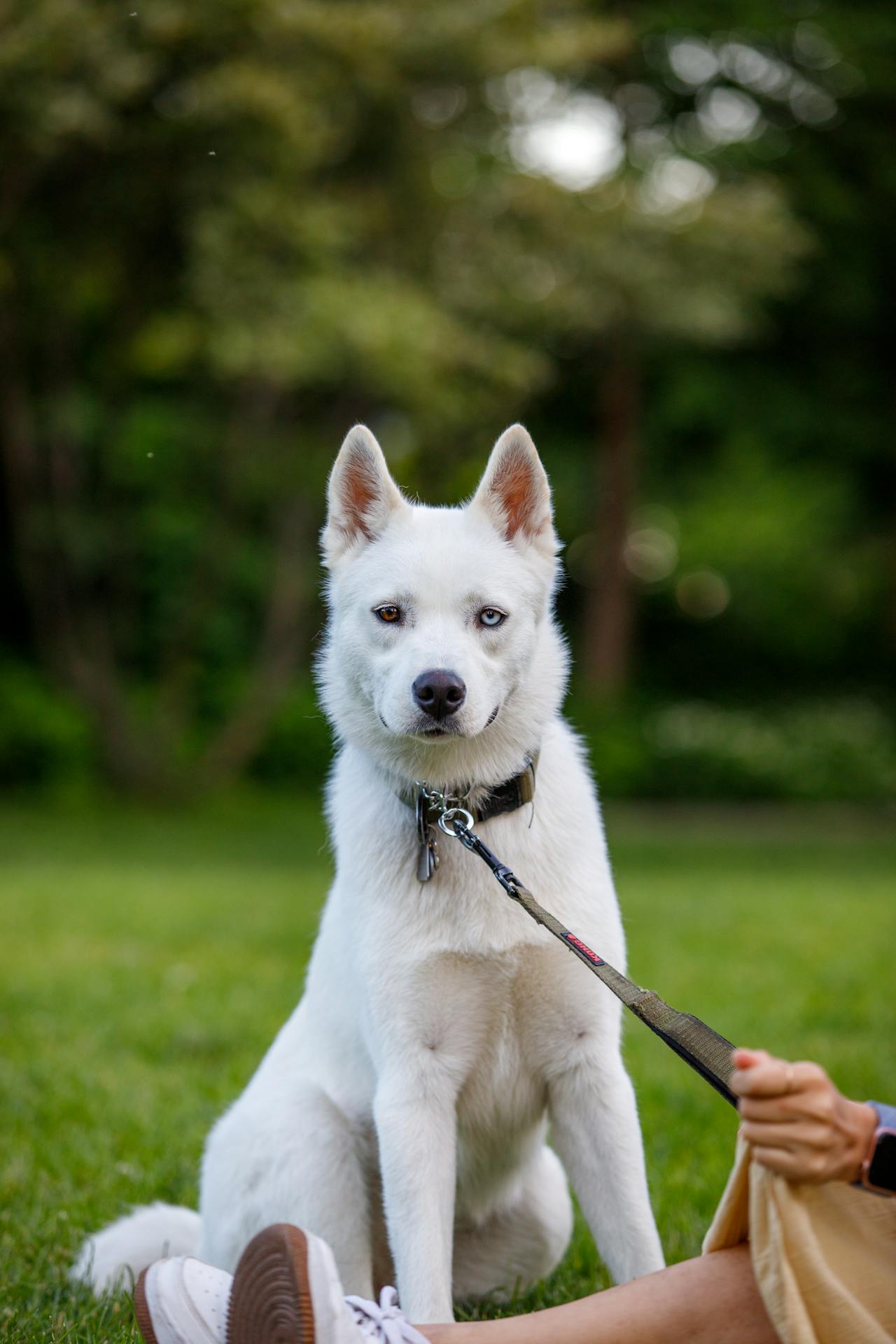
Training your dog can be a rewarding experience that builds trust, improves behavior, and strengthens your bond. Here are ten of the best training techniques that work for dogs of all ages and breeds.
Reward good behavior with treats, praise, or toys. This method encourages dogs to repeat the desired behavior by associating it with something enjoyable.
Example: Give a treat immediately after your dog sits on command.
Uses a small handheld device that makes a clicking sound to mark good behavior, followed by a reward. Dogs learn to associate the click with a job well done.
Pro Tip: Click the moment your dog does the right action—timing is key.
Helps with house training and provides a safe space for your dog. The crate becomes a den-like retreat where they feel secure.
Bonus: Great for managing separation anxiety in some dogs.
Teaches your dog to walk politely on a leash without pulling. Use treats and verbal praise to reward calm walking.
Try This: Stop walking when they pull, and resume only when the leash is slack.
Expose your dog to different environments, people, and animals to reduce fear and aggression later in life.
Tip: Start early, but go at your dog’s pace.
Train your dog to respond to their name so you can get their attention in any situation.
Method: Say their name followed by a treat when they look at you.
Teach basic commands like sit, stay, come, and down to build structure and improve communication.
Suggestion: Practice daily in short sessions to maintain consistency.
Rather than punishing bad behavior, redirect your dog’s attention to an appropriate activity.
Example: If they’re chewing shoes, give them a chew toy instead.
Gradually expose your dog to triggers (e.g., loud noises, strangers) in a controlled way to reduce reactivity.
Be Patient: Use treats and keep the sessions short and stress-free.
Dogs thrive on routine. Be consistent with commands, rewards, and rules to avoid confusion.
Remember: Everyone in the household should follow the same training methods.
With patience, consistency, and a little creativity, these training techniques can help transform your dog into a well-behaved companion. Whether you’re raising a puppy or working with an older dog, the key is to make training a positive, bonding experience.
